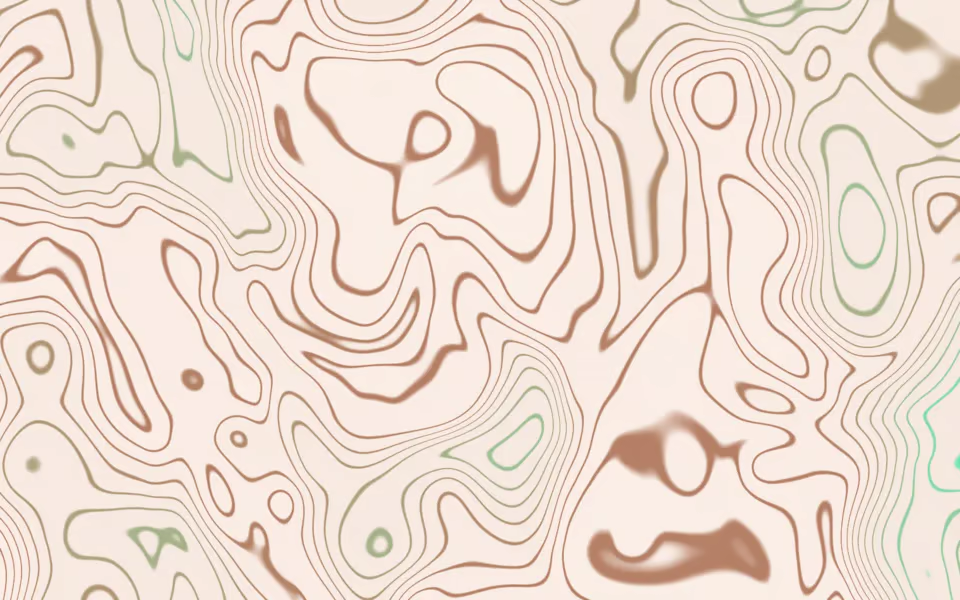

Organic edges, so the cloth grows contour lines.
- Ground
#FDF1EBbackground- First dye
#A15D3Fprimary- Second dye
#35F3B5accent
Every persona’s interface sits on a material: woven from their palette, moving the way they move, textured like the places they love. Take a bolt off the rack to try it on, then bend it, re-dye it and keep it.
 No. 01Thread currentParallel yarns bend into a shared current.Try it on ↓
 No. 02Shot silkTwo yarn colours trade places as the cloth folds.Try it on ↓
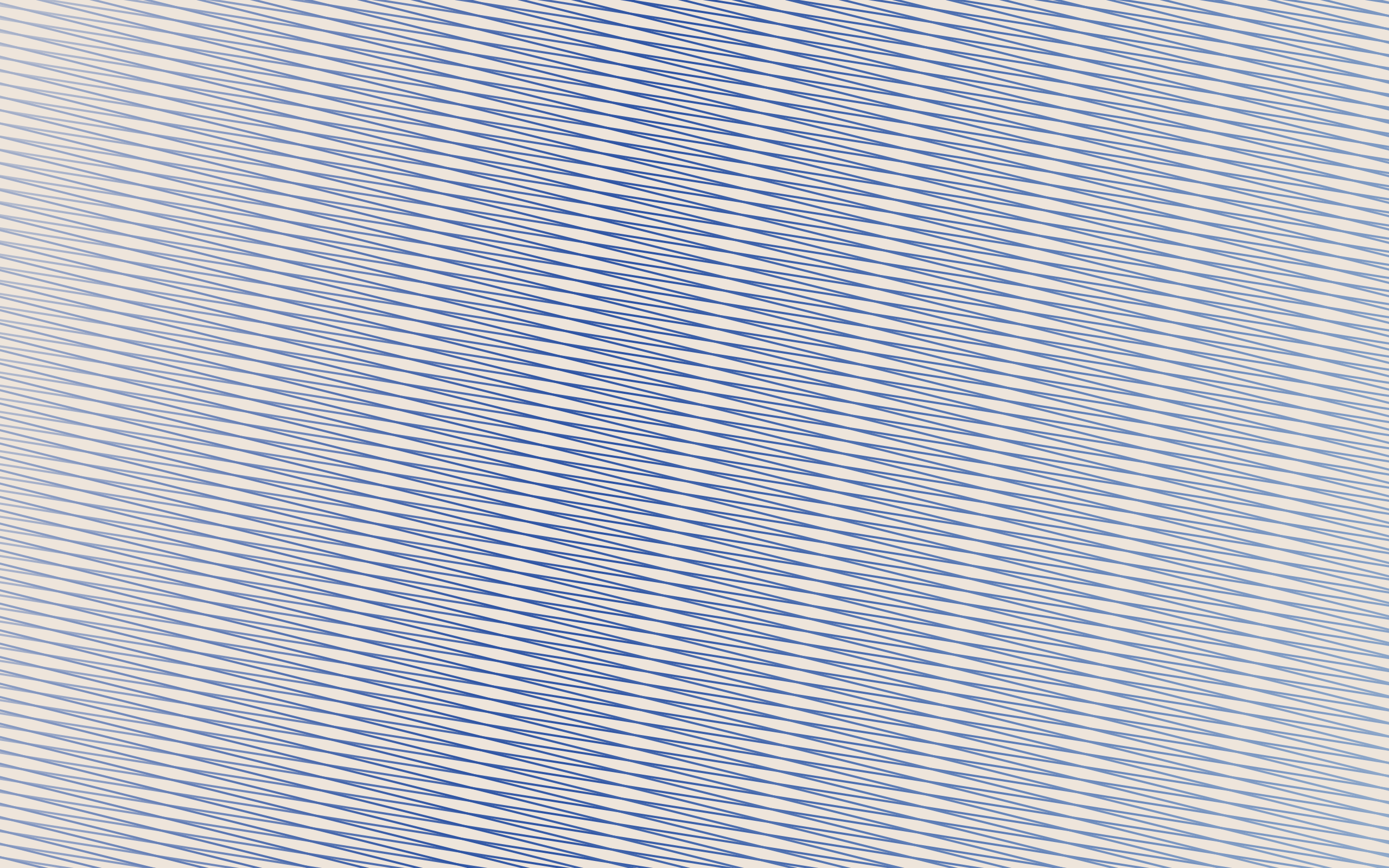
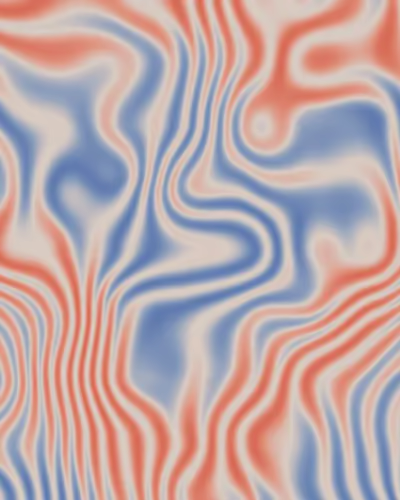 No. 03InterferenceTwo woven fields make a third, slower pattern.Try it on ↓
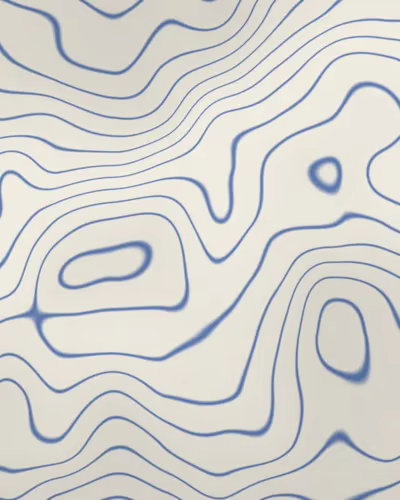
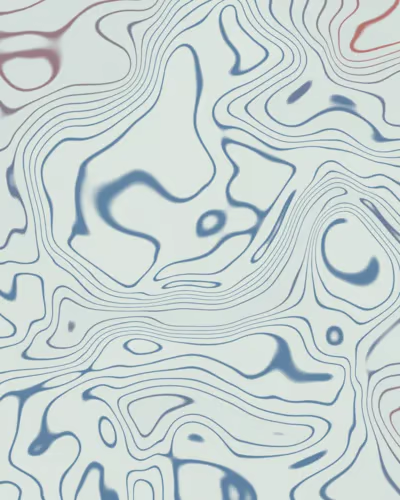 No. 04Chalk islandsContour lines trace a shifting field of heights.Try it on ↓
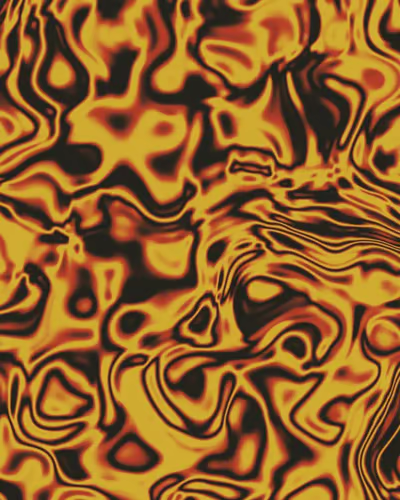 No. 05Oxide bathA warped colour ramp moves through ink and dye.Try it on ↓
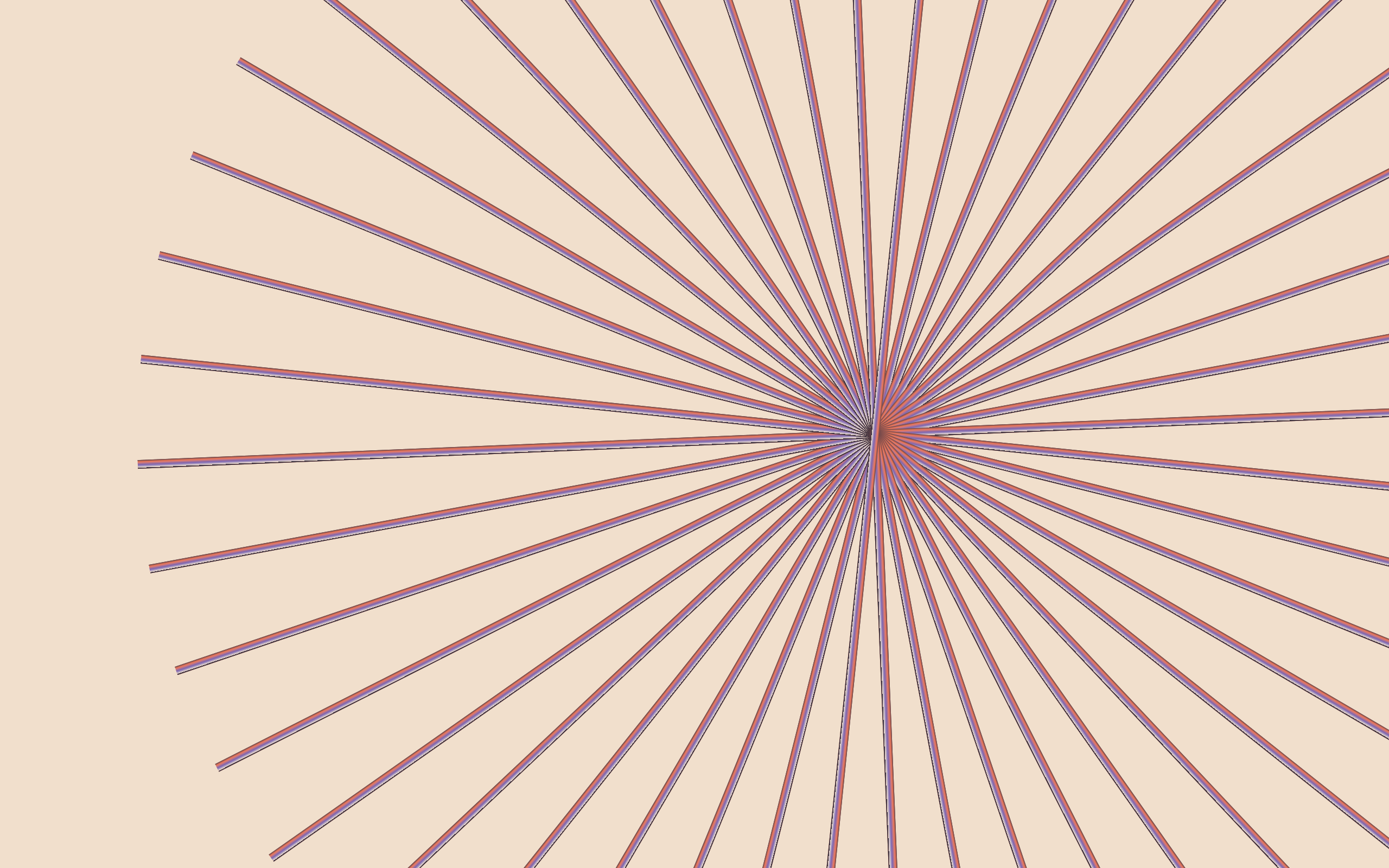
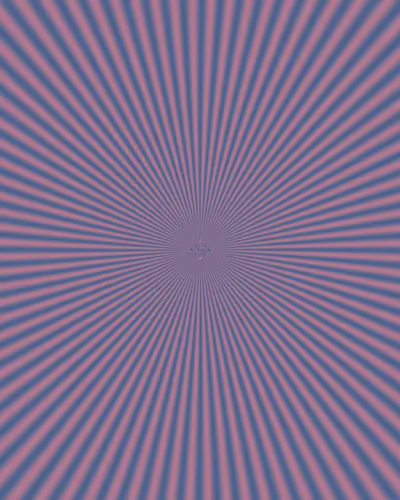 No. 06Radial pleatRepeated folds fan out from a movable centre.Try it on ↓
This cloth is live. Move across it and it bends; tap it and it ripples. Everything you change saves on this device. Export a still, save a recipe to share, or wear it behind Baste.
Room for the work.
Texture for the feeling.
A flat colour preview. The live material needs WebGL.
Move across the cloth to bend it. Tap to send a ripple.
Your changes are saved on this device.
Baste chooses the technique from a persona’s aesthetic profile, dyes it with the palette it generated for them and seeds it with their name, so the same person always gets the same cloth. Change it in their Studio, and their header re-dyes to match.
#FDF1EB background#A15D3F primary#35F3B5 accent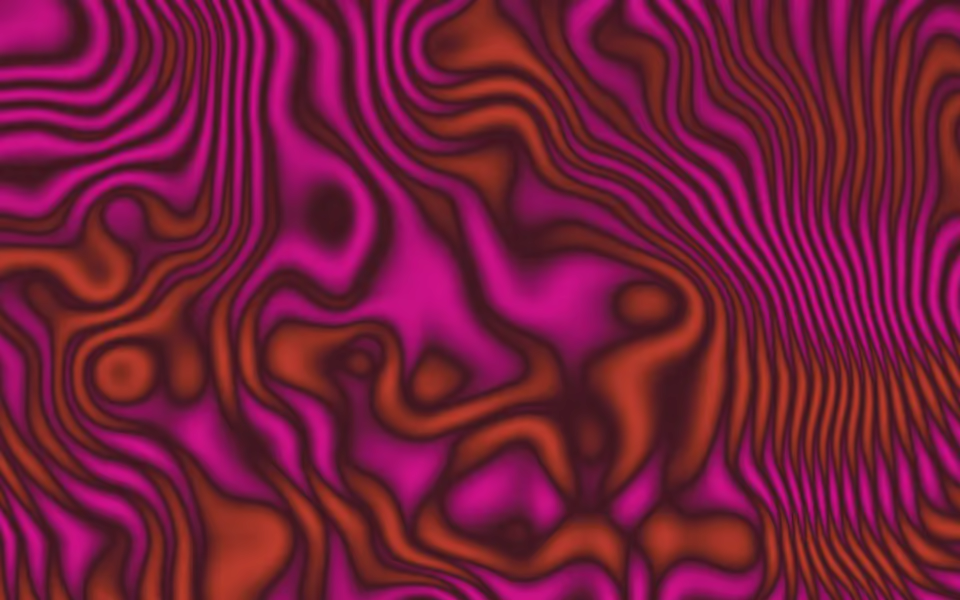

#150D0C background#E44635 primary#FE12A9 accent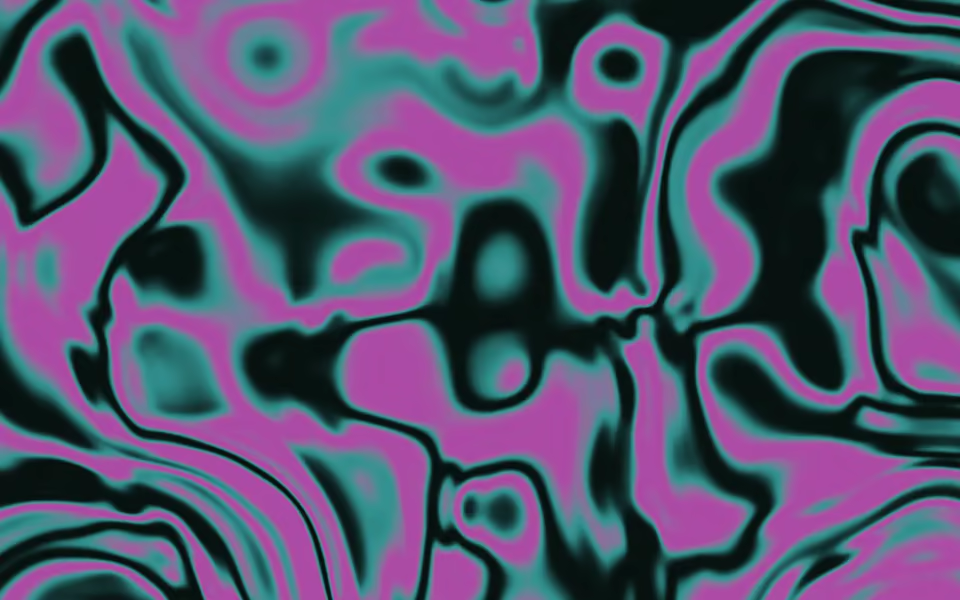

#081111 background#3DB2B2 primary#D658CC accentNative documents for Graphite, the open-source node-based editor, picked from twenty variations. Open one to follow how the pattern is built, then change a node and make it yours.
Warm dye moves through a warped field. A cyclic colour ramp changes the light without replacing the composition.
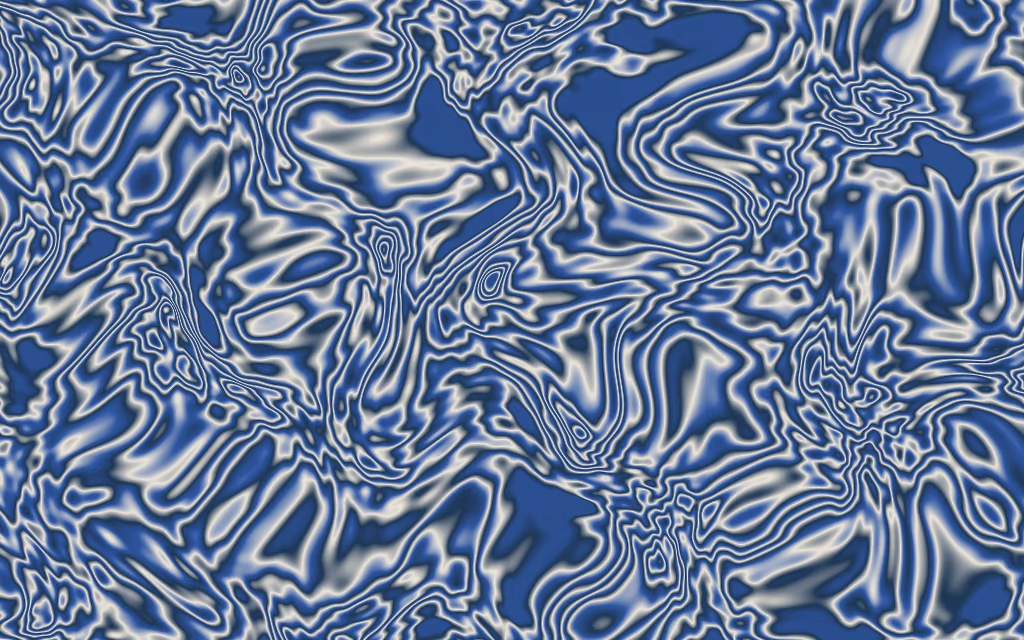
A repeated blue-and-paper ramp traces the same height field many times, building a landscape of contours.
A dyed strip repeats around a centre. Colour and rotation share a clock, so the whole fan turns together.
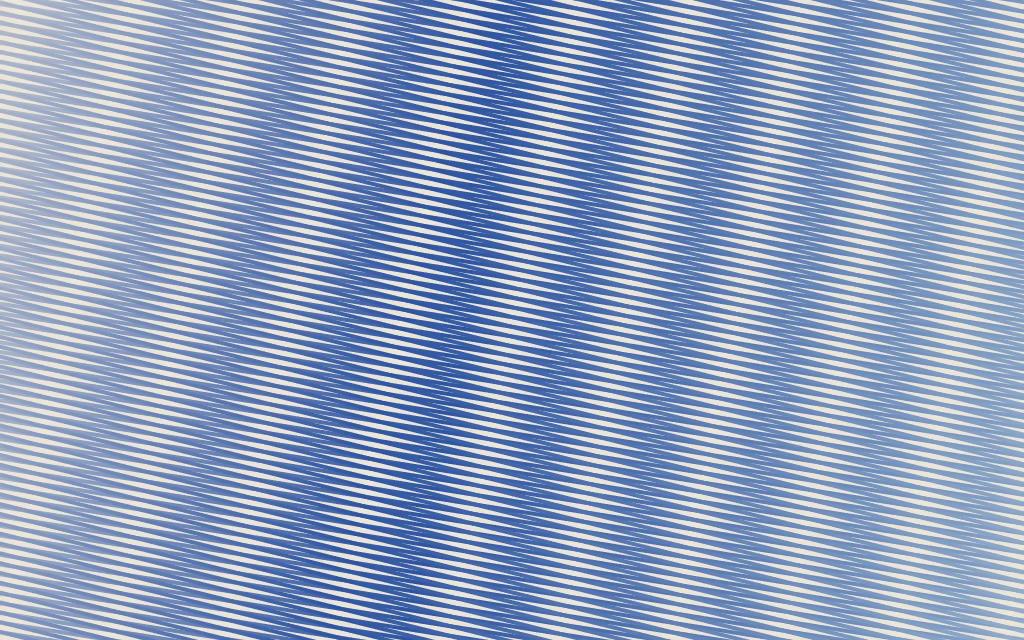
Two slightly rotated arrays create a slower rhythm where their threads cross. Small changes make large bands.